Workforce Capacity and Capability
ASPR’s Health Care Readiness Programs Portfolio consists of core programs and activities that serve as building blocks for a comprehensive, national system for health care preparedness and response. As part of ASPR’s Health Care Readiness Programs Portfolio, Workforce Capacity and Capability building activities aim to enhance health care workforce preparedness and response capacity and capability through knowledge transfer, trainings, and sharing of leading practices. ASPR supports the development and management of workforce capacity courses and educational opportunities designed to improve health care readiness and establish guidance for workforce capacity programs.
HHS ASPR/Project ECHO COVID-19 Clinical Rounds
Grand Rounds for EMS, Critical Care, and Emergency Department
After COVID-19 was declared a public health emergency, health care and EMS professionals needed a reliable source for accurate, up-to-date information on the new pathogen. In March 2020, ASPR, in collaboration with the
National Emerging Special Pathogens Training and Education Center (NETEC) and
Project ECHO (Extension for Community Healthcare Outcomes), launched a series of COVID-19 Clinical Rounds to create peer-to-peer learning networks for real-time information sharing for lessons learned, successes, and challenges in treating COVID-19 patients, which has engaged participants in all 50 states and more than 100 countries. COVID-19 Clinical Rounds is a public-private collaboration among approximately 30 professional societies and federal agencies.
COVID-19 Clinical Rounds are weekly, peer-to-peer sessions, with topics that change from week to week based on evolving events and participant requests. Representatives from more than 15 relevant national professional organizations round out the panel of expert discussants, and a wide range of clinicians, including physicians, nurses, and EMS clinicians, attend the sessions.
Evidence of clinician learning as well as clinician intent to use information gained from COVID-19 Clinical Rounds sessions offers early insight into the effectiveness of this scalable method to gather and disseminate insights and experiences from clinicians in near to real time. Attendees reported that participation in COVID-19 Clinical Rounds resulted in increase in knowledge, and changes in patient care and clinical operations.
In November 2020, seventy percent of participants strongly agreed that information provided by COVID-19 Clinical Rounds had helped them provide better care of their patients, and eighty-nine percent strongly agreed that ‘in the event of a future national or local emergency, they would join COVID-19 Clinical Rounds again’.
By the Numbers*

165
Clinical Rounds Sessions.

+52,600
Total Live Session Participants*.

+15,000
Total Archived Session Views.
70%
Of participants indicated they would join the COVID-19 Clinical Rounds again in a future disaster or emergency.
* Metrics cover the following time period: March 24, 2020 through October 14, 2021.
** Participants represent clinicians from every state and multiple countries and include physicians, nurses, EMS, and clinicians from other disciplines
Health Care Readiness and Response Courses
Health Care Coalition Response Leadership Course (HCRL)
Through a partnership with the Federal Emergency Management Agency (FEMA)
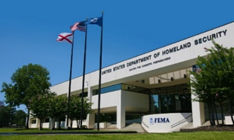 Center for Domestic Preparedness in Anniston, AL, ASPR provides instruction and practical experience in proven procedures for preparing and responding as a Health Care Coalition (HCC) leadership team to community and regional disasters.
The three-day course offers insights and lessons learned related to establishing an effective HCC framework, conducting HCC planning, and strengthening jurisdictional disaspter readiness and preparedness.
From September 2016 through March 2020, 72 HCCs from 30 states, the District of Columbia, Puerto Rico, U.S. Virgin Islands, and six of the U.S. Pacific territories and freely associated states participated in the HCRL course. The HCRL course is currently on hold due to COVID-19.
Learn more about HCRL Course >>
Medical Response to Overwhelming No Notice Mass Trauma Course
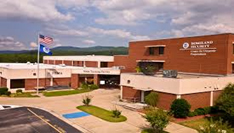 ASPR, FEMA, the National Highway Traffic Safety Administration (NHTSA) Office of Emergency Medical Services (EMS), the American Burn Association, the American College of Emergency Physicians, and the American College of Surgeons are developing a “Medical Response to Overwhelming No Notice Mass Trauma” course to improve clinical response to overwhelming no-notice mass trauma events.
The intended audience for this course includes clinical care providers (e.g., trauma surgeons, emergency physicians, EMS professionals), and the curriculum integrates lessons learned from past large-scale events, such as the 2017 Las Vegas mass shooting. This two-day course focuses on exercise-based problem solving and discussion of key decision points as well as lessons observed during the medical response exercise.
The in-person pilot trainings planned for Spring 2020 were postponed due to COVID-19, but the public-private partnership that led the development of the curriculum plans to continue piloting this course as soon as possible at Noble Hospital in FEMA’s Center for Domestic Preparedness in Anniston, AL.
Additional Resources: