The budget includes $400 million in new, dedicated funding for pandemic preparedness and biodefense. These resources will allow ASPR to respond to unforeseen challenges rapidly, prepare for emerging pandemics, and address biodefense threats. For example, ASPR may use the funding to rapidly convert stockpiled drug ingredients into vaccines at the start of an outbreak, support the development of next-generation medical countermeasures, and expand rapid domestic manufacturing of critical vaccines, therapeutics, and other needed healthcare supplies, such as hospital gowns and gloves.
The funding will advance ASPR’s permanent industrial base management office, inclusive of global supply chain awareness, market capabilities, rapid acquisition, and coordination of Defense Production Act (DPA) and Emergency Support Function ESF-8 authorities.
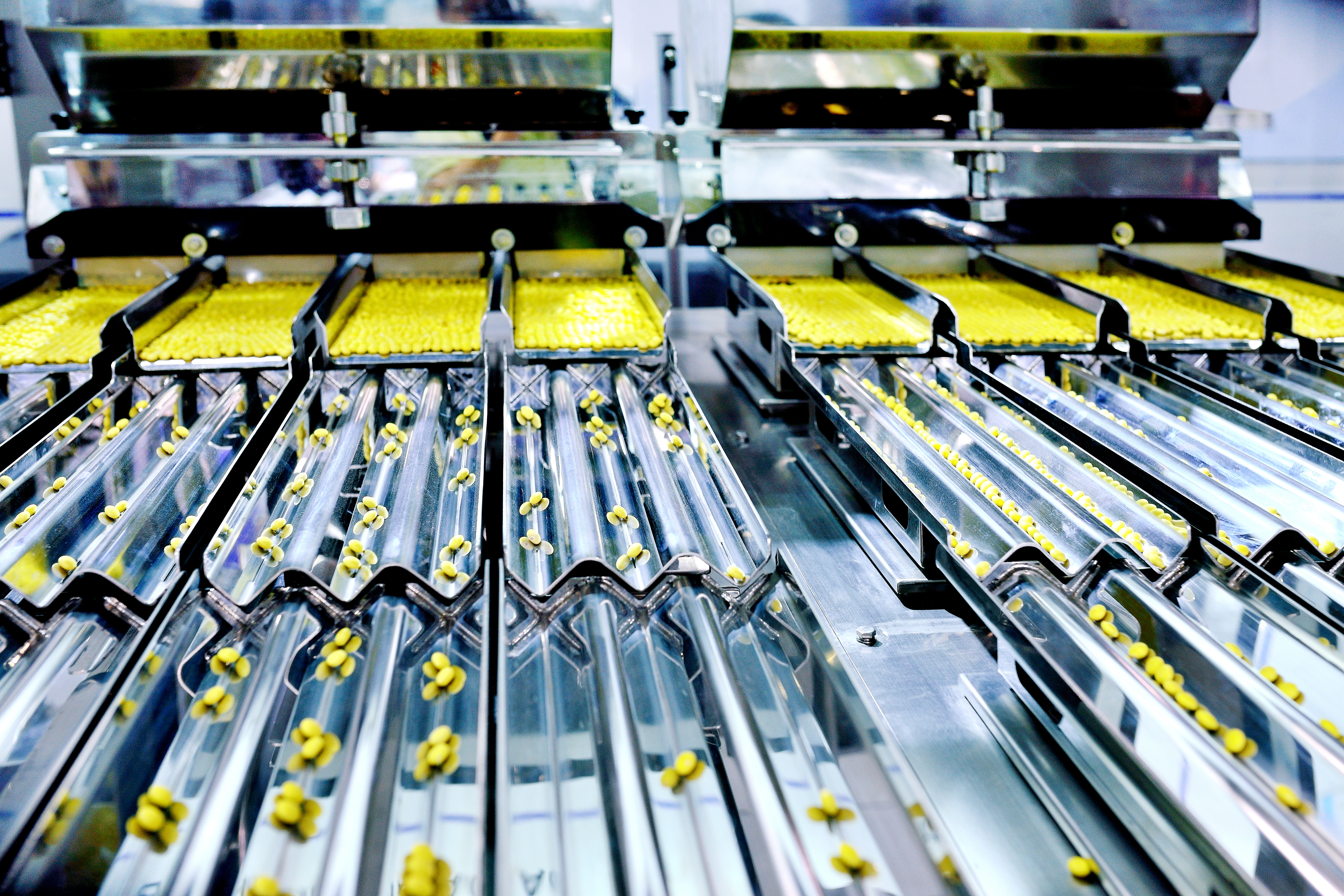
The FY 2024 President’s Budget includes additional funding to expand the Biomedical Advanced Research and Development Authority’s (BARDA’s) threat agnostic advanced development portfolio. Because threats and incidents are unpredictable and injury can happen quickly, providers must treat what they see. For this reason, BARDA focuses on developing threat-agnostic treatments aimed to "treat the injury, not the agent." Additional FY 2024 funding will also support critical ongoing work assessing the impact of COVID-19 viral variants on medical countermeasures, including medications, tests, and diagnostics.
The budget proposes an additional $47 million in to support BARDA’s mRNA vaccine platform technology to support
American Pandemic Preparedness Plan goals. This will cover the increased costs of assuring that the nation has the manufacturing capacity needed for pandemic response readiness.
The President’s Budget request includes an additional $35.5 million to enhance ASPR’s financial management, acquisition, and information technology support. These activities provide support across ASPR’s programs and will also ensure an optimal infrastructure as ASPR looks to its additional responsibilities in the future.
The additional $33 million will be used to support the hiring and training of responders from the National Disaster Medical System (NDMS), sustainment of mission-essential infrastructure, and the critical response planning, coordination, and technical assistance needed to build public health and medical resiliency. The request will allow NDMS to continue filling gaps in federal public health and medical capabilities and infrastructure based on COVID-19 lessons learned. NDMS can then build resilience in the NDMS system to support the next disaster or critical incident.
The request prioritizes funding for sustainment of current product lines and procurement of several products previously supported by BARDA that lack a significant commercial market. Specifically, the Strategic National Stockpile increase will be used to better prepare the United States government to respond to a radiological or nuclear event occurring on American soil.
The additional $10 million requested in the budget will support smallpox vaccine procurement. This level also continues procurement of JYNNEOS vaccine for prevention of smallpox including additional manufacturing requirements due to diversion of product to support the ongoing USG mpox response.
The budget includes an additional +$7.8 million to support H-CORE’s operations and logistics architecture, pilot novel and innovative operations and logistics capabilities, and incorporates new data sources and technologies.
The requested increase of +$7 million will support several programs within the Health Care Readiness and Recovery line including the Hospital Preparedness Program and the National Special Pathogen System, as well as ASPR’s Technical Resources Assistance Center and Information Exchange (ASPR TRACIE), recovery, and critical infrastructure protection.
The FY 2024 request includes an additional +$6.5 million to establish quantitative and economics analytics and modeling capabilities to evaluate medical countermeasure programs and COVID-19 after action reviews.
The budget request provides an increase of $3 million to fund the operations and maintenance of ASPR Ready, the interoperable system for tracking ASPR’s information, resources, and personnel before, during and after a response. An additional $3.65 million will ensure that ASPR can continue to maintain current preparedness capabilities, including information management, intelligence operations, personnel security, and the Secretary’s Operations Center (SOC). The request does not include funding for National Emergency Tele-Critical Care Network (NETCCN), a decrease of -$6.5 million from FY 2023.
In addition, the budget includes a mandatory pandemic preparedness request which proposes $20 billion investment across HHS for pandemic preparedness. This proposal provides funding to ASPR, NIH, CDC, and FDA. The $10.5 billion allocated to ASPR will be used to conduct advanced research and development of vaccines, therapeutics, and diagnostics for high priority pathogens, scale up domestic manufacturing capacity for medical countermeasures, and bolster PPE and critical medicines supply chains.